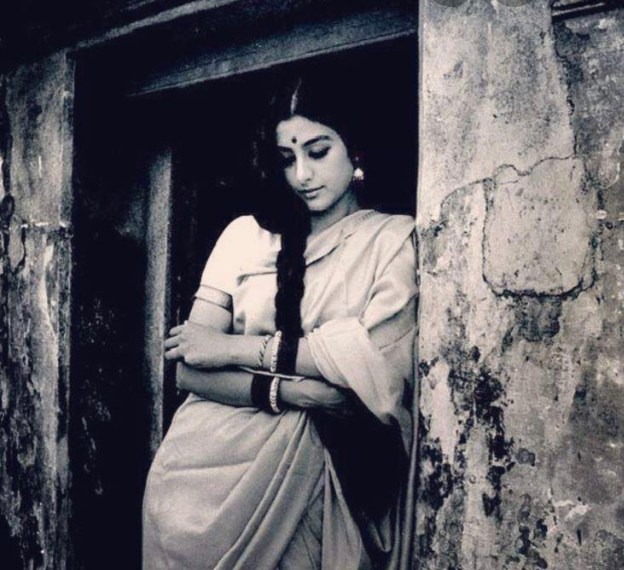
Having no family in a 30-mile radius means creating and relying on an army of sitters.
One of my mandates for a sitter is no screen time for Shyla; I’m starting to appreciate the irony in this because outside of homework almost all my time spent with Mataji involved watching Hindi films. Yes Hindi not ‘Bollywood’ films as what they started to ubiquitously be termed in the 90’s. Not surprisingly coinciding with the economic liberalization of India whose goal was to attract more foreign investment. This intrusion of the west brought with it a standardization of beauty and a resurgence of a post-colonial hangover transforming once again India’s sense of ‘Self’.
When I was young there was no need for the books I seek for my child; advocating emotional intelligence by illustrating that her heart can be pink with love, green with anger or yellow with courageousness. Instead I had Amitabh Bachchan. Undoubtedly one of the most influential actors in world cinema, and as child born in the 70’s I watched this star rise. He could be a romantic, an angry young man, a comedian and voice of reason. The Indian lens would deliberately loom over an actor’s face for an exaggerated response and contemplation in an eight year old. Not having the sophistication to gauge what was transpiring without fail l would incessantly ask Mataji as to what they were the thinking——and to this day it still surprises me that she responded every time. In the process I learned about human nature and cultural idioms.
I recognize the same curiosity in Shyla and now question whether I should incorporate Bollywood in her life as a means to introduce some form of culture and language in a world deficient of such.

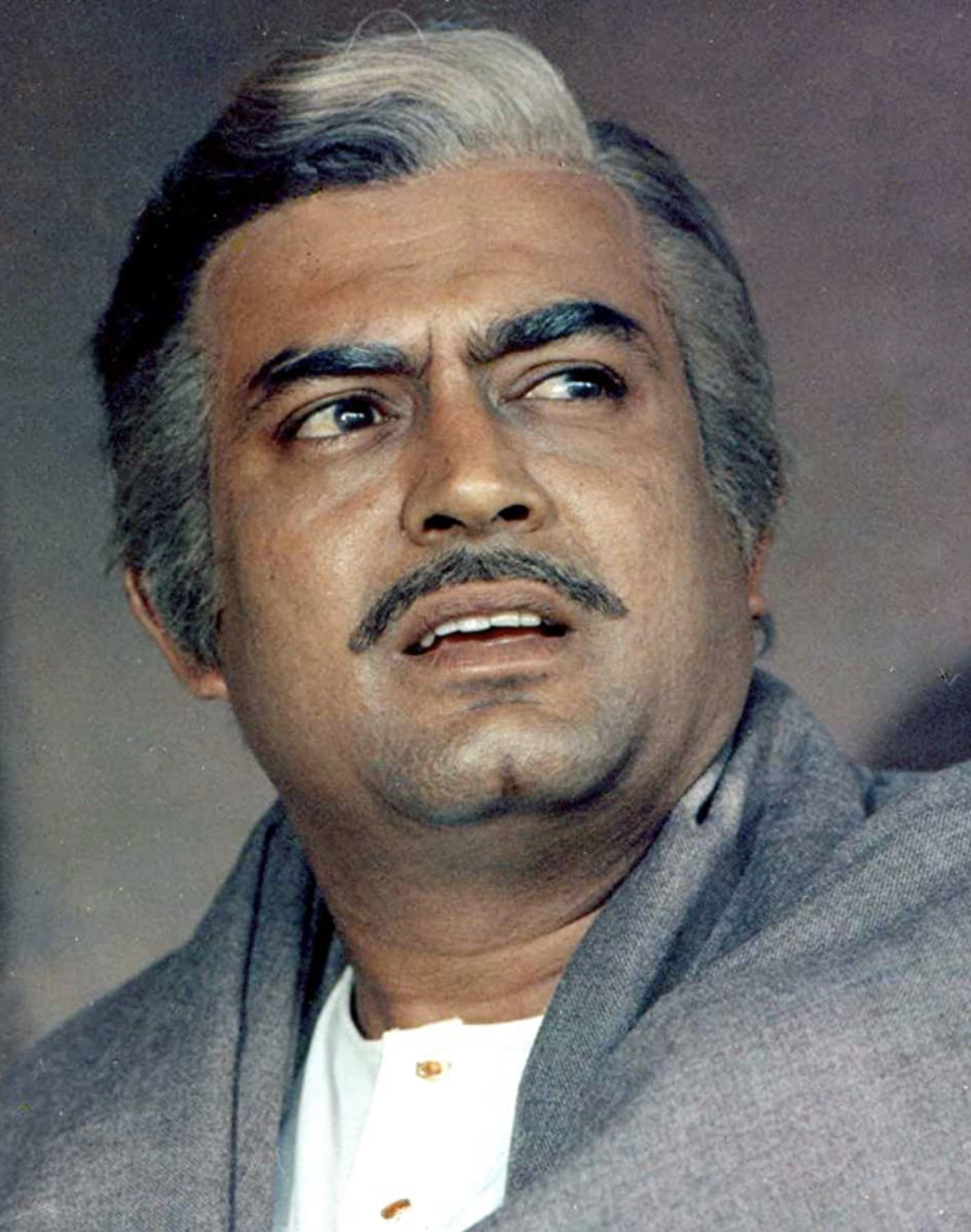


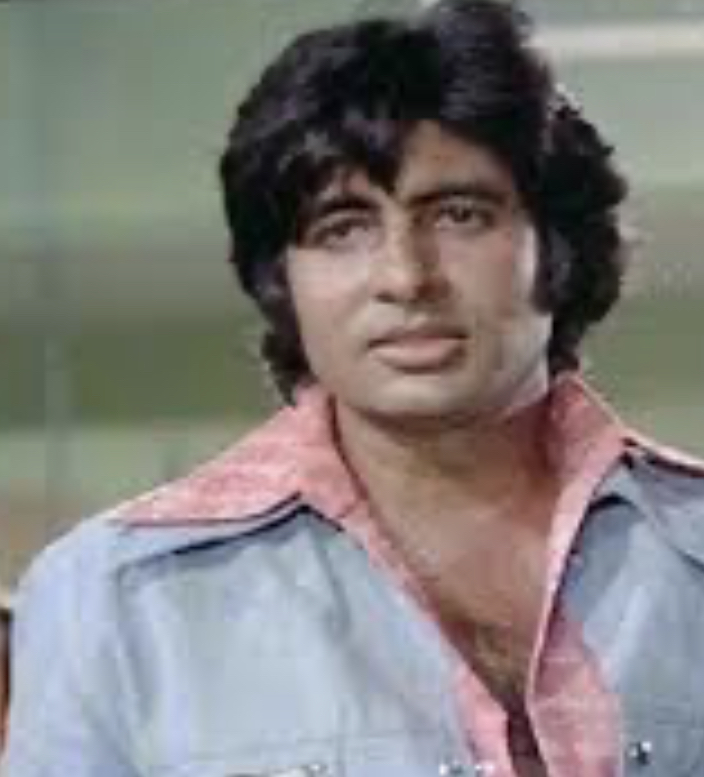
feature image: Tabu, a scene from Iruvar /new Indian express; images from top left: Sholay movie poster, amazon; Sanjeev Kumar imdb; Shashi Kapoor /the culture trip; Amitabh Bachchan/ India Today; Dharmendra-Sharmilla Tagore in scene from Anupama /dailyo
 Sepia-tinted Lens
Strangely, this echoes my own mid-70s childhood experience of watching the movies stars who populated the classic black and white films of the 1930s and 1940s on TV “million dollar movie” reruns. I think of Spencer Tracy’s pensive dawning awareness either slowly sinking into close-lipped, hard-eyed righteous anger or wry-mouthed silent humor, in a way that instructed on how to turn every challenging situation into a position of strength. These were my grandparents stars, and they spoke to a way of handling emotions so different from my generation–but so full of emotional intelligence. I think it is worth introducing children to media out of their time and place.
LikeLike