
Growing up traveling in the Indian context was quite different. Neither Film festivals, culinary experiences, nor art exhibitions determined vacation destinations; in fact, what held the most clout was where extended family resided. This was the norm. Living in a niche city such as Toronto, my parent’s home was and still emulates a subway turn stall. Consequently, I was continuously displaced from my room, and at one point, sought refuge at University of Toronto’s dormitory. There is a Hindi proverb that plays on the rhyming words of ‘guest’ and ‘god’ (Mehman Bhagwan hota hai) localizing them as one. Thus easing the parental conscious for having their child’s room usurped.
Our home was void of hotel luxuries and conveniences and yet we were always at full occupancy. I was amazed at how anyone appreciated this style of ‘traveling’. One might even speculate why real estate board’s hadn’t developed packages brokering houses juxtaposed to one another; one for the family and another for the plethora of visitors.
A Western mentality had taken over my Indian sensibilities. For It was customary during weddings to have basements converted to hostels for out-of-towners. And despite having one bathroom for every five people, no one based their overall enjoyment upon this. It seemed the more one shared their truer self the happier they were.
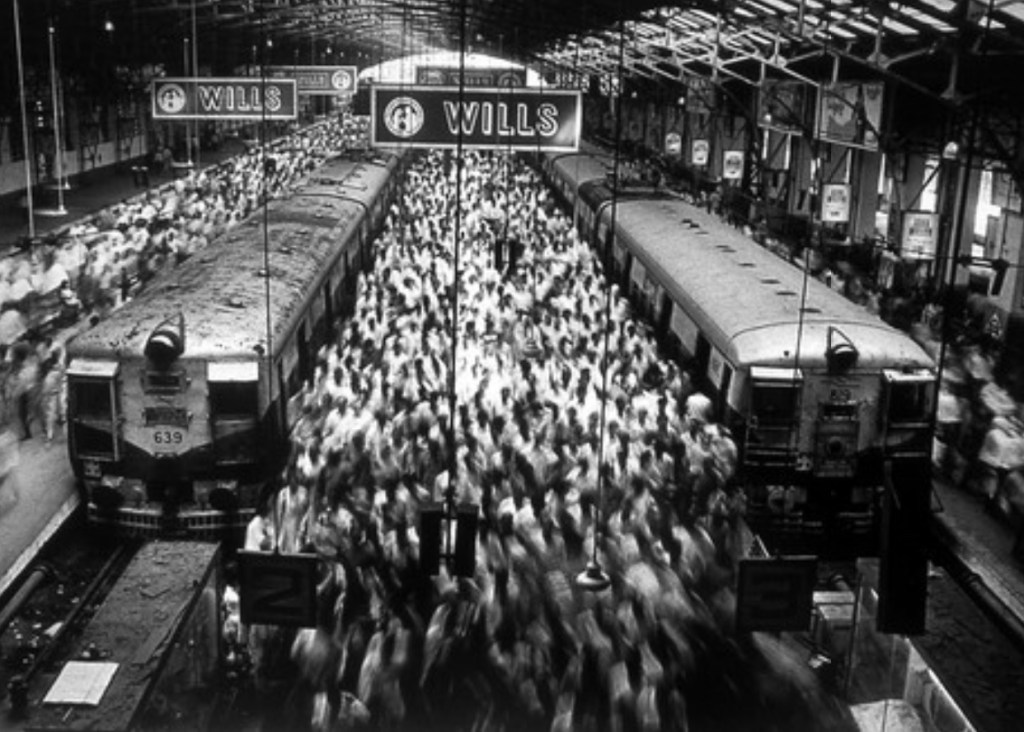

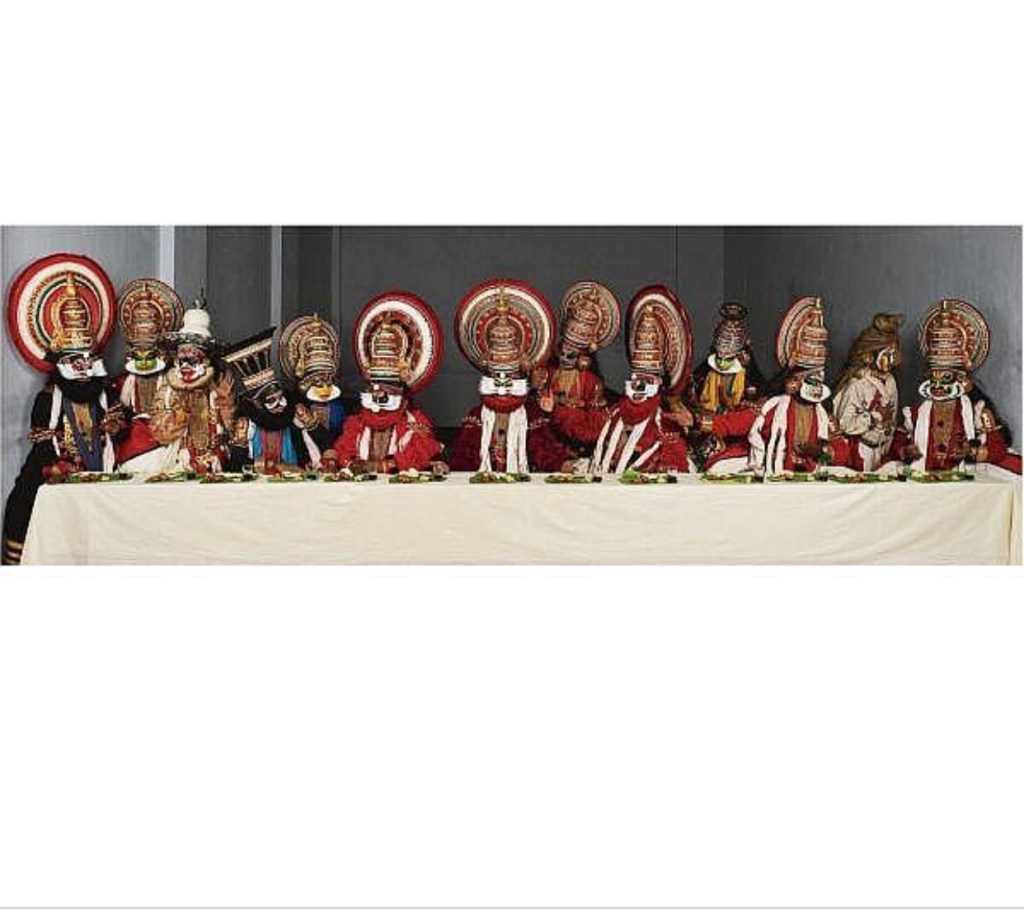
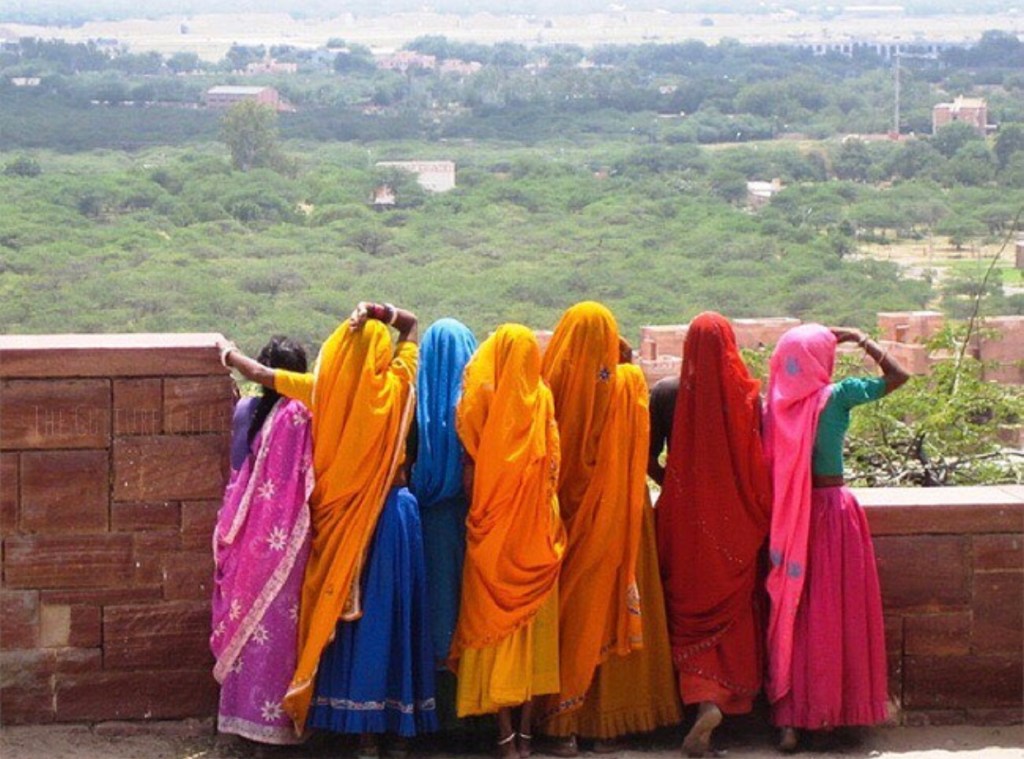
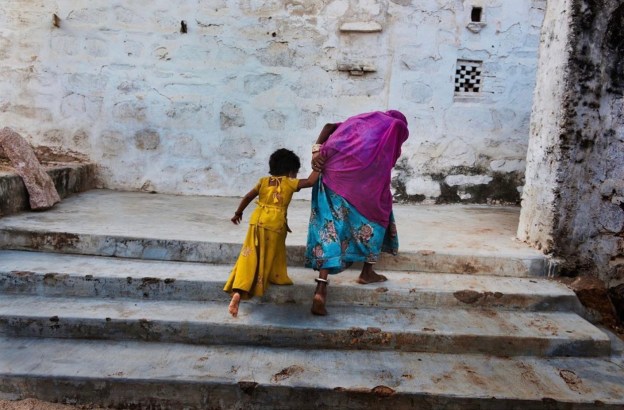
(feature image) Jaipur’s, Panna Meena Ka Kund by Melissa Hom, source, the culture gully /stepwell (L) Churchgate Station in Mumbai by Sebastião Salgado, source, Christie’s /Artspace: For his Migrations series, Sebastião Salgado poetically documented population growth and displacement around the globe. Here, commuting masses collide on the platform of one of Mumbai’s major transportation hubs, the Churchgate Station. (M) people watching a wrestling match by Poras Chaudhary /…has been intrigued by the visually striking moments, may they be special for their color, composition or just the moment’s rarity in time. (R) “Last Super” by Vivek Vilasini, source, invaluable /The Times of India reported, brings forth contemporary global concerns on the issues of faith and betrayal-even as he blends western and eastern nuances in iconography. The Kathakali dancers create a choreography of sorts, as sit at the table with the traditional banana leaf and typical Kerala sadya.
The opposite also appeared to be true. Last autumn in France a recently immigrated Indian woman summed up Parisian life as ‘too much formality.’ With disdain she spoke of having ‘to book an appointment’ to see a friend. She lamented the absence of spontaneity and begrudgingly succumbed to convenient prescribed meetings.
I’ve come to realize these aggregated inconveniences are what foster bonds. Make-shift beds, a dining table for six equipping twelve, and intimate audible squabbles all serve to make one feel truly comfortable. Perhaps this is an evolutionary vestige of a deep seeded need to live communally.
We have noticed some introversion in Shyla. Socially, at first she remains sidelined, assessing, before delving in, which can last up to two hours. When finally we are ready to depart, she engages. Then it dawned on me—maybe her natural Indian predisposition manifests not in needing frequency, but rather concentration.


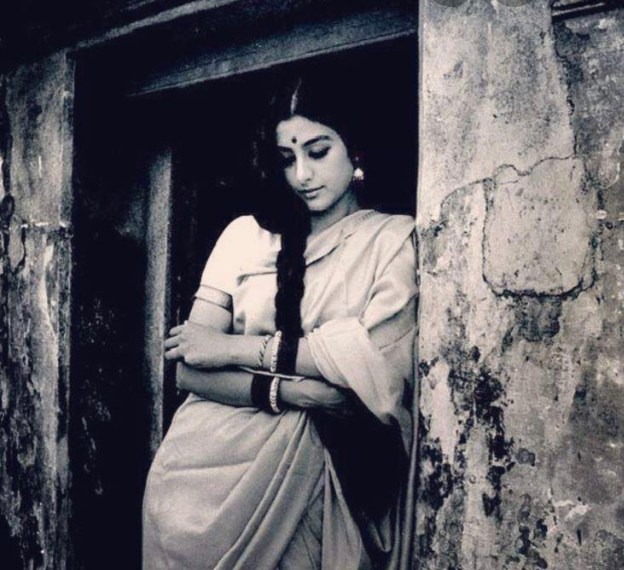






 Sepia-tinted Lens
You must be logged in to post a comment.