
On returning from a soiree, a friend commented on how ‘Canadian-Indians have a good balance.’ This was followed by ‘you want Indian friends that aren’t too Indian, but you don’t want them if they aren’t Indian enough!’ And therein, she succinctly contained our thoughts, a subjective threshold based on a hyphenated identity.
One of the many repercussions of belonging to a former British colony is a fallacy of one’s idea of self. Despite having the most globally significant democracy, India does not have a national language as with most former colonies. Consequently, the knowledge and usage of English becomes a currency to evaluate and discriminate, continuing a tradition of hierarchy

I am constantly fascinated by Hispanics, who, upon meeting one another, naturally erupt into Spanish, stranger or not. It would be unconventional for me to partake in something akin, regardless of being fluent in three South Asian dialects. So much so that if a contemporary greeted me with a ‘Namaste,’ I would be puzzled.

Language imparts culture, but our mundanity sublimates our heritage. Indians dispose of Styrofoam and redistribute takeout in proper serve-ware when hosting. Ukrainians disdain the legal formality names evoke thus Aanya transforms to Aan-ichka. Similarly, Latinos add suffixes’: Juan-ito, Hernan-cito, Ev-ita, and Laur-ita, diminutive sounding forms yielding a burst of love. And when Persians meet, it’s customary to inquire how relatives are faring; this can last up to an hour.
I would like to believe generations have taken turns depositing small aggregates of an immutable sense of who we truly are.






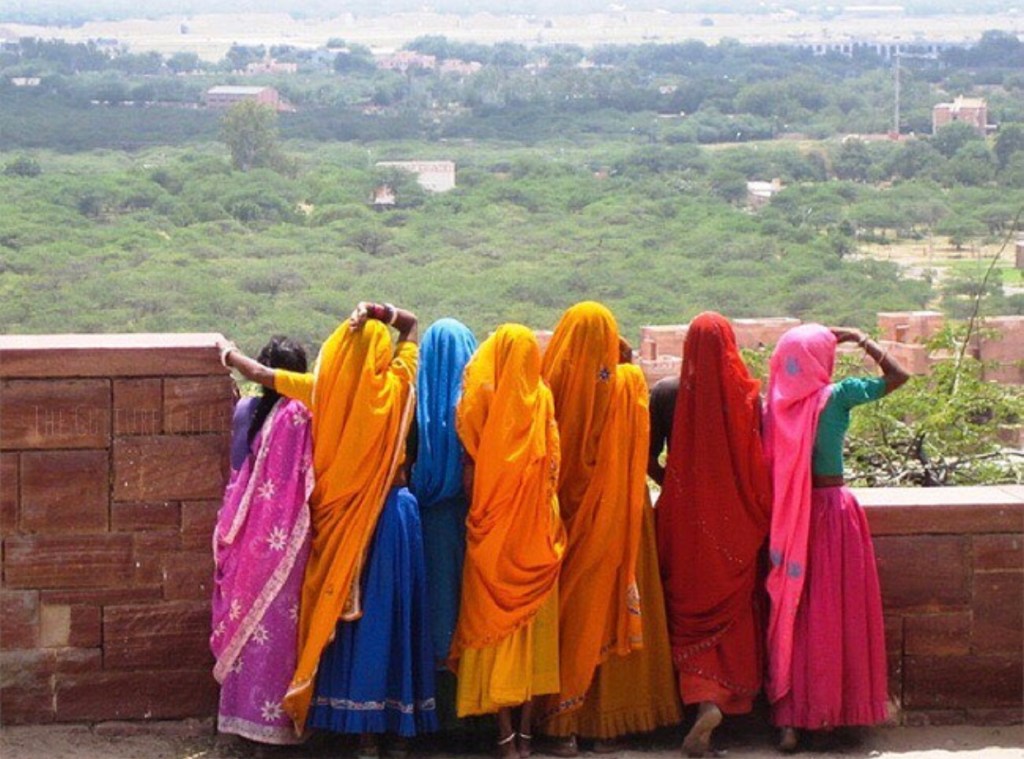

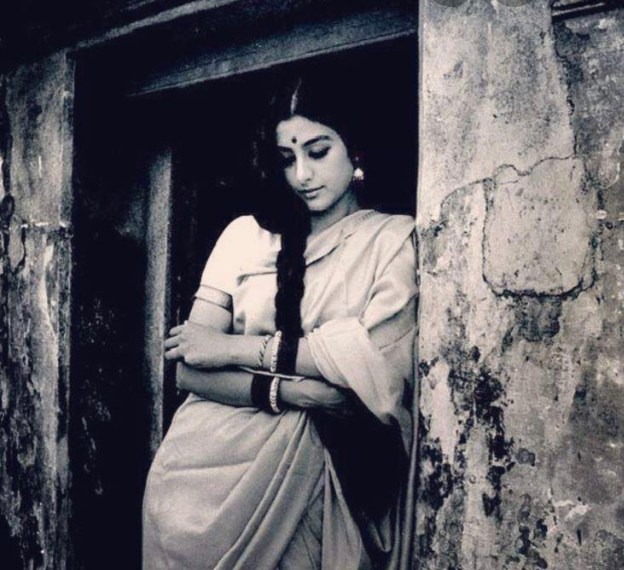

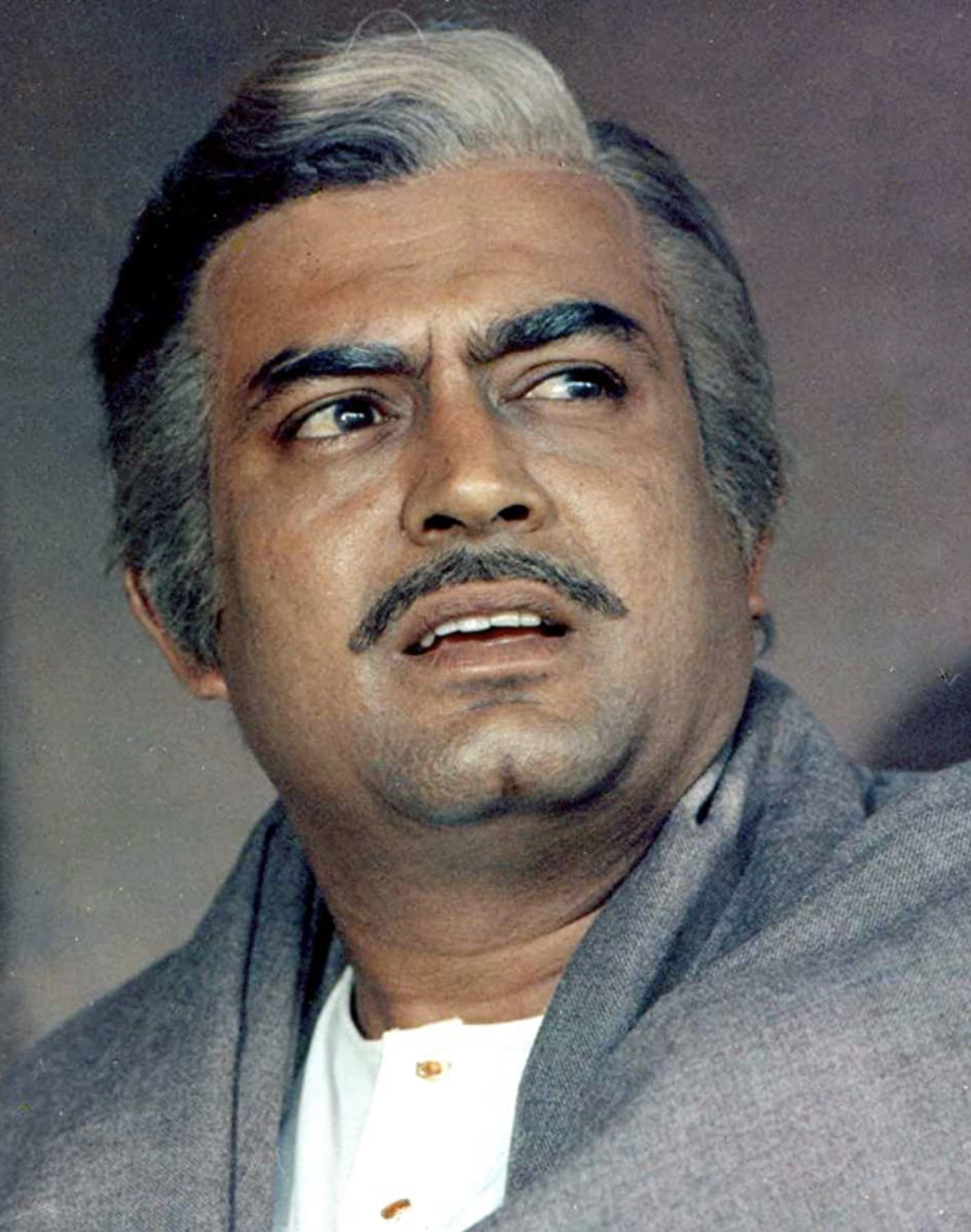


 Sepia-tinted Lens
You must be logged in to post a comment.