
“Don’t say ‘uncle’ just call me Ashok!” I shuddered every time I heard this as Indians refrain from addressing their elder’s by name.
The notion of respect is deeply entrenched in South Asian culture. Every relationship is given a title of veneration. This reverence is not limited to people but also transcends onto inanimate objects: money, food, books and divine images topped the hierarchy creating a parallel caste system.
As children, if any were treated recklessly, we were admonished and required to touch the object with our forehead to absolve ourselves.
I once read how in India there was a residential building whose sidewall had become a makeshift urinal. Unbearable pungent odors led the inhabitants to place prohibiting signs in vain. Only when the trifecta of Hindu gods –Bramha Vishnu & Shiva, were painted did the dual use of the wall cease. It remains to be determined whether respect or fear was the driving force.

This year, we celebrated the auspicious penultimate day of Navratri with friends.
What became apparent was our fallacy in assuming (recently) naturalized Americans would have a thorough knowledge of religious and cultural rites. I started to recognize the breakdown in the transmission of information from one generation to the next.
Recalling how after 25 years, when Sri returned to Sri Lanka, he hoped to learn why consuming meat on Fridays was disdained. Much to his chagrin he discovered no-one knew; generations had yielded without questioning.
I began to consider that perhaps when respect is mandated, a divide may manifest, impeding conversation and preventing vertical integration.
One afternoon while on the front lawn of our new home, a neighbor approached us and Shyla exclaimed, ‘that’s Sashi!’ As she drew closer, I noticed she was about my mother’s age and I whispered ‘Sweetie say Sashi aunty’ and she persisted ‘Sashi!’ Could dropping the honorifics break down barriers?

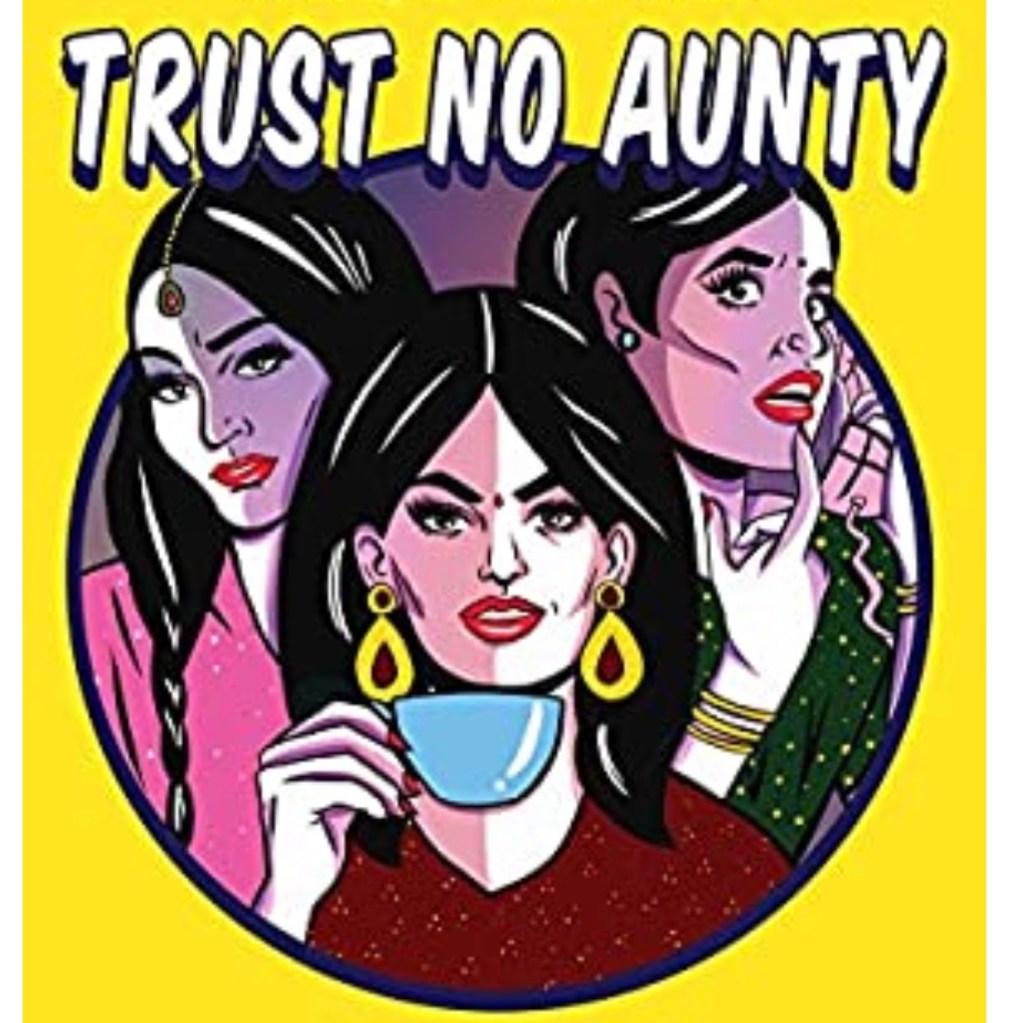

(L) Three Women by Jamini Roy (1887-1972), source; British museum / This particular work is one of Roy’s iconic images: that of Bengali women. Roy is critical to any narrative of the development of modern Indian art in the early 20th C when there was a frantic search for roots and identity. Roy turned away from prevailing styles and looked back to the visual stimuli of his childhood: the folk arts of Bengal. He used this storehouse of forms to create a new pictorial language, irrevocably Indian in execution and feeling, yet simultaneously modern in its treatment of the two-dimensional reality of the picture plane (M) piece by Maria Qamar, source; hatecopy (R) In Myanmar, Colgate prints interactive educational information in toothpaste boxes design by; redfuse and Young & Rubicam, source; border and fall



 Sepia-tinted Lens
You must be logged in to post a comment.